20 November 202611 min read
Studying Buddhism in India: A Guide to Traditional and Academic Buddhist Studies
Where to study Buddhism in India, from university MAs in Pali and Buddhist Studies to Tibetan institutes in Dharamsala, Sarnath and Karnataka.
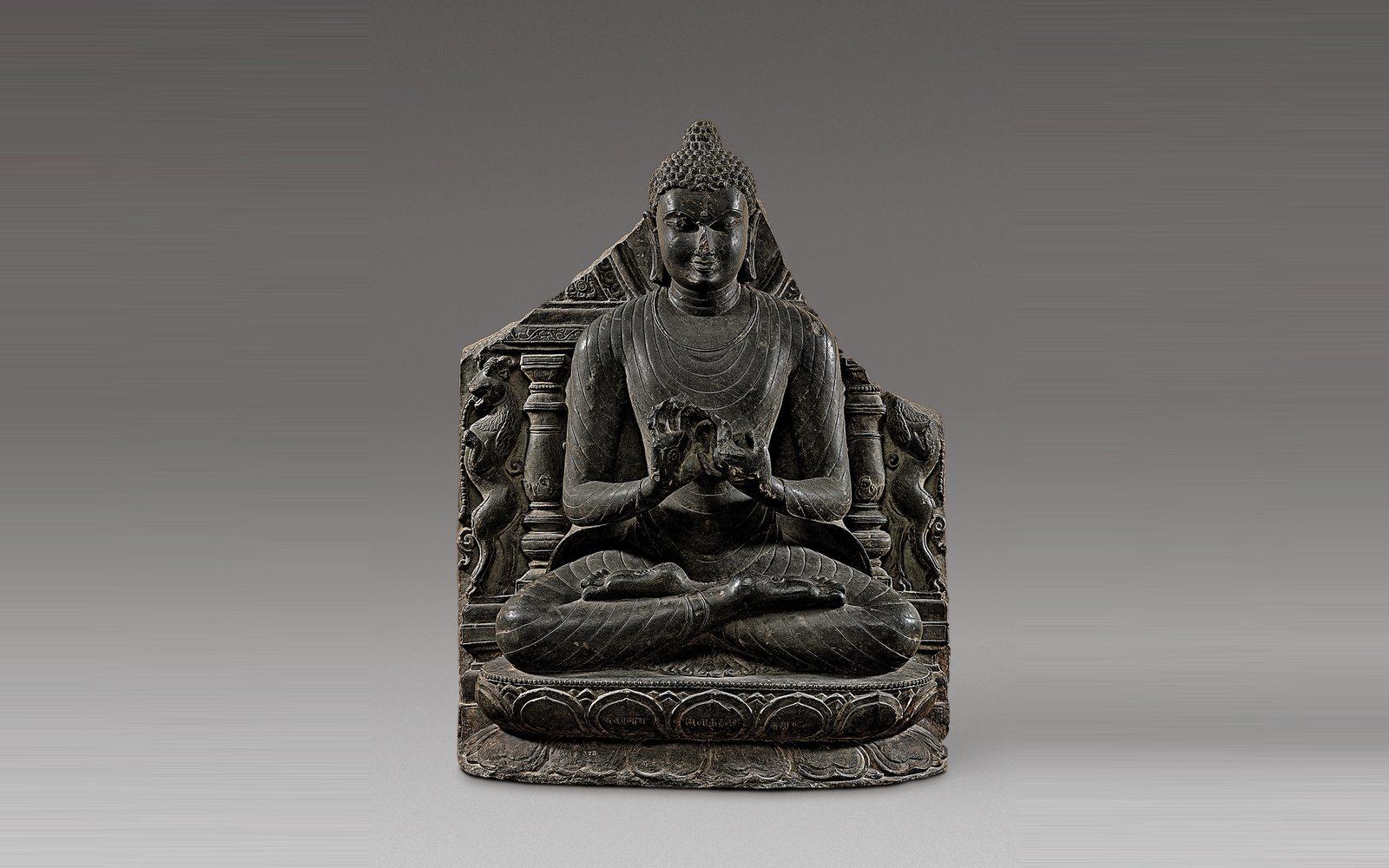
India is where Buddhism began, and it remains one of the best places in the world to study it. You can read Pali in Pune, take a degree in Delhi, learn Classical Tibetan in Dharamsala, or study at an institute that follows the old monastic curriculum.
The choice can be confusing, though. Some institutions are mainstream universities with entrance exams and semesters; others are monastic colleges where teaching is in Tibetan and places for outsiders are few. This guide sets out the main options for Indian and international students, and what to check before you apply.
Checked November 2026. Sources are linked in the text and listed at the end. We've used official university, government and embassy pages where we could. Course lists, eligibility rules and intakes change often, and many websites are updated slowly, so always confirm details with the institution before you apply or travel.
Two kinds of study
It helps to separate two traditions of learning, which our guide to traditional vs academic Buddhist Studies explores in more depth.
- Academic Buddhist Studies — degrees at universities recognised by the University Grants Commission (UGC): BA, MA, PhD (and, at some places, older MPhil programmes).
- Traditional study — the curriculum of Tibetan monastic colleges and the Sanskrit-style Shastri and Acharya ladder. Several institutes now combine the two, offering traditional degrees that are recognised as equivalent to a BA or MA. If the word is new to you, see what an Acharya degree is.
University departments and institutes
Delhi, Pune, Mumbai and Varanasi
The Department of Buddhist Studies, University of Delhi was set up in 1957 as part of India's celebrations of 2,500 years of Buddhism. It offers a two-year MA in Buddhist Studies and doctoral research, and has historically run certificate and diploma courses in Pali and in Tibetan. MA papers have included Buddhist Sanskrit literature and Buddhism in China. Admission to the MA has been through an entrance exam; check the university's current admissions portal for the route in your year.
In Maharashtra, two universities have strong Pali departments. Savitribai Phule Pune University has a Department of Pali (renamed Pali and Buddhist Studies in 2021) offering a two-year MA in Pali, a five-year integrated MA, an MA in Buddhist Studies and several diplomas. The University of Mumbai's Department of Pali runs an MA in Pali and Buddhist Studies, a postgraduate diploma and a five-year integrated BA/MA in Pali. Both suit students drawn to early Buddhism and the Pali Canon.
At Banaras Hindu University (BHU) in Varanasi, the Department of Pali and Buddhist Studies in the Faculty of Arts offers an MA. Admission has been through CUET-PG, the national postgraduate entrance test. Third-party listings disagree on whether you need a Pali or Buddhist Studies BA first, so check the current BHU prospectus.
Bihar and Madhya Pradesh
Nalanda University in Rajgir, near the ruins of the ancient monastic university, is an international university with an English-medium programme. Its School of Buddhist Studies, Philosophy and Comparative Religions offers an MA in Buddhist Studies, Philosophy and Comparative Religions and a PhD, with language teaching in Pali, Sanskrit and Tibetan. It accepts graduates from any discipline (with proof of English for applicants from non-English-speaking countries), and lists scholarships for international students and for monks and nuns. For 2026–27, Indian embassies advertised applications until mid-June, with teaching from August.
Nava Nalanda Mahavihara, also in Nalanda district, was founded in 1951, became a deemed university in 2006, and comes under the Ministry of Culture. It offers MAs in Pali, Buddhist Studies and Philosophy, among other subjects, plus doctoral research.
Sanchi University of Buddhist-Indic Studies, based in Madhya Pradesh, lists a two-year MA in Buddhist Studies and a one-year Diploma in Pali Language and Literature. Information online is patchy and sometimes contradictory, so go to the university directly.
Uttar Pradesh and West Bengal
Gautam Buddha University in Greater Noida, near Delhi, has a School of Buddhist Studies and Civilization offering an MA, doctoral research and, in the past, an MPhil. Admission to the MA has been through the university's own entrance test.
Visva-Bharati in Santiniketan has a Department of Indo-Tibetan Studies, continuing a tradition of Tibetan studies at Santiniketan that goes back to Sylvain Lévi's visit in 1921, and offering a BA (Hons), MA and PhD in Tibetan, along with certificate and diploma courses. Chinese is taught separately at Cheena Bhavana, which offers a BA, MA and PhD in Chinese.
The Himalayan institutes
Three institutes funded by the Government of India continue the Tibetan and Himalayan traditions of learning within the formal system:
- Central Institute of Higher Tibetan Studies, Sarnath (CIHTS), also known as the Central University of Tibetan Studies, is a deemed university near Varanasi. It runs both traditional programmes (Shastri, Acharya) and BA, MA, MPhil and PhD degrees, as well as Tibetan medicine, fine arts and teacher training. Undergraduate admission has been by merit, and postgraduate and PhD admission by entrance exam. Much of the traditional teaching assumes good Tibetan.
- Central Institute of Buddhist Studies, Leh (CIBS) in Ladakh was founded in 1959 and became a deemed university in 2016. It offers Shastri (BA level), Acharya (MA level) and Vidyavaridhi (PhD level), with Buddhist philosophy taught alongside Bhoti (Tibetan), Pali and Sanskrit.
- Central Institute of Himalayan Culture Studies, Dahung (CIHCS) in Arunachal Pradesh is an autonomous body under the Ministry of Culture, affiliated to Sampurnanand Sanskrit University, Varanasi. Its listed courses run from school level through Shastri to Acharya in Buddhist philosophy, Pali and Bhoti.
These institutes are primarily for students from Tibetan and Himalayan Buddhist communities. Some have admitted foreign students in the past, but we couldn't find current rules for international applicants, so write to them first.
At a glance
| Institution | Where | Main offerings | Languages | Good to know |
|---|---|---|---|---|
| University of Delhi, Dept of Buddhist Studies | Delhi | MA, PhD; Pali and Tibetan certificates and diplomas | Pali, Tibetan; Sanskrit and Chinese in MA papers | Entrance-based MA admission |
| Savitribai Phule Pune University, Dept of Pali and Buddhist Studies | Pune | MA Pali, five-year integrated MA, MA Buddhist Studies, diplomas | Pali | Strong Theravada and Pali focus |
| University of Mumbai, Dept of Pali | Mumbai | MA Pali and Buddhist Studies, PG diploma, integrated BA/MA | Pali | Diplomas suit working adults |
| Banaras Hindu University, Dept of Pali and Buddhist Studies | Varanasi | MA | Pali | Admission via CUET-PG |
| Nalanda University | Rajgir, Bihar | MA, PhD | Pali, Sanskrit, Tibetan | English-medium; open to any graduate; scholarships |
| Nava Nalanda Mahavihara | Nalanda, Bihar | MA Pali, Buddhist Studies, Philosophy; PhD | Pali | Deemed university under the Ministry of Culture |
| Sanchi University of Buddhist-Indic Studies | Madhya Pradesh | MA Buddhist Studies, Pali diploma | Pali | Check details directly |
| Gautam Buddha University | Greater Noida | MA, PhD | Check | Own entrance test |
| Visva-Bharati, Indo-Tibetan Studies | Santiniketan | BA, MA, PhD in Tibetan | Tibetan; Chinese at Cheena Bhavana | Long tradition of Tibetan scholarship |
| CIHTS Sarnath | Sarnath | Shastri, Acharya, BA, MA, MPhil, PhD | Tibetan, Sanskrit | Deemed university; much teaching assumes Tibetan |
| CIBS Leh | Ladakh | Shastri, Acharya, Vidyavaridhi | Bhoti (Tibetan), Pali, Sanskrit | Primarily for Himalayan Buddhist students |
| CIHCS Dahung | Arunachal Pradesh | Up to Shastri and Acharya | Bhoti, Pali | Affiliated to Sampurnanand Sanskrit University |
Tibetan community institutions in India
These are Tibetan community institutions first, and what is open to outsiders is often narrower than people expect.
Institute of Buddhist Dialectics (IBD), Dharamsala. IBD trains monks, nuns and lay Tibetans in the full curriculum of Buddhist philosophy and debate. Its own pages say philosophy is taught only in Tibetan, so you need fluent spoken and written Tibetan to be admitted. A new philosophy class opens only every two or three years, with a small number of places for foreigners. For most international students, the realistic route is through its college at Sarah.
College for Higher Tibetan Studies, Sarah. Founded in 1991 as a branch of IBD, Sarah runs a Tibetan Language and Buddhist Studies programme for international students. Its beginners' Tibetan course runs for about ten months, from July to the end of April, and needs no prior Tibetan. The college's guide for new students says you can study there only on a student visa, and it expects strict attendance. The July 2026 intake has closed; check its website for the next one.
Library of Tibetan Works and Archives (LTWA), Dharamsala. LTWA is the most accessible option. It runs Buddhist philosophy classes taught by geshes with English translation, a one-year diploma and a longer degree-level course, and Tibetan language courses at several levels, some of which have also been offered online. It suits anyone wanting a few serious months of study without a degree. Check its registration and fees page for current terms.
Dzongsar Khyentse Chökyi Lodrö Institute, Bir and Chauntra. Founded in Sikkim in 1982 and later moved to Himachal Pradesh, this institute runs a long traditional programme in philosophy, logic, grammar and monastic discipline, and graduates can go on to become khenpos. It has opened higher Tibetan studies to lay and female students: its first eleven MA graduates in Tibetan literature, one of them a woman, received their certificates in 2022. We couldn't confirm current admission rules for outside students, so ask the institute.
Monastic universities in Karnataka. The great Gelug monasteries re-established in southern India (Sera at Bylakuppe, and Drepung and Ganden at Mundgod) house thousands of monks on the traditional geshe curriculum, which can take 15 to 20 years. Full membership is for ordained monks, usually inside the monastery's own system. Foreign monks do study there, and the monasteries host some partner programmes and visiting groups. Lay outsiders shouldn't expect to enrol; the usual route is a letter of introduction through a teacher or dharma centre linked to the monastery.
Short courses and retreats
For a taste before committing:
- Tushita Meditation Centre in McLeod Ganj, above Dharamsala, runs introductory courses on Buddhist philosophy and meditation, as well as intermediate courses and retreats.
- Root Institute for Wisdom Culture in Bodh Gaya, founded in 1984 under Lama Yeshe and Lama Zopa Rinpoche, offers courses on Tibetan Buddhism and meditation, and retreat space close to the Mahabodhi Temple.
- Study-abroad semesters. The long-running Bodh Gaya programme first set up by Antioch University in 1979 is now run by Carleton College, and combines Buddhist philosophy, meditation and language study. Other US colleges have run Tibetan Studies semesters in Dharamsala.
Our events page lists courses and retreats as we hear about them.
Practicalities
Visas. Foreign nationals on a formal course need a student visa, not a tourist one. Since January 2025, India has offered an e-Student visa for students admitted through the government's Study in India (SII) portal: you register on the portal, get an admission offer from a partner institution and an SII ID, then apply on the official Indian visa website. Short courses at meditation centres don't normally make you eligible for a student visa, so check with your nearest Indian mission what visa fits your plans.
Recognition. For a degree, check that the institution is a UGC-recognised university or deemed university. Traditional titles such as Shastri and Acharya are recognised as BA and MA equivalents when awarded by a recognised body like CIHTS or CIBS. A diploma from a monastery or dharma centre may be excellent training but may not count as a formal degree abroad. If you plan to go on to a PhD elsewhere, ask your target universities how they view the qualification (see our guide to funding a PhD in Buddhist Studies).
Language entry. University Pali and Buddhist Studies MAs often prefer, and sometimes require, a BA in Pali, Sanskrit or Buddhist Studies, while Nalanda University has accepted graduates of any subject. Medium of instruction varies: Nalanda teaches in English; many state university departments teach in Hindi, Marathi or English, or a mix; the Himalayan institutes and monastic colleges mainly teach in Tibetan. Ask before you apply. Our overview of the Buddhist languages can help you decide which language to start with.
Fees. Indian public universities are inexpensive for Indian students, and many list modest fees. International students often pay a separate, higher rate, and some programmes charge in US dollars. We haven't listed figures because the ones online are often out of date; ask each institution for the current fee for your nationality.
Where you'll live.
- Delhi offers big-city convenience and libraries, plus summer heat and winter smog.
- Dharamsala and McLeod Ganj are the centre of Tibetan life in India: cool, hilly and very wet in the monsoon, with plenty of cheap rooms.
- Bodh Gaya is busiest in the winter pilgrimage season and very hot from April to June.
- Sarnath, beside Varanasi, is quieter and well placed for both CIHTS and BHU.
- Rajgir is a small town, and Nalanda University students generally live on campus.
Sources and further reading
Besides the pages linked in the text, which are mostly the institutions' own:
- Traditional study vs academic Buddhist Studies and What is an Ācārya?: our guides to the shedra and the Shastri–Ācārya ladder, each with its own sources.
- Georges B. J. Dreyfus, The Sound of Two Hands Clapping: The Education of a Tibetan Buddhist Monk (University of California Press, 2003), on the curriculum of the Gelug monastic universities re-established in Karnataka.
- The Study in India portal and India's official visa site (indianvisaonline.gov.in) for current visa rules.
Find current openings
Studying in India often leads to work: teaching at institutes and dharma centres, translation, archives and research projects. We post Tibetan-focused roles on our Tibetan Studies jobs page, and if you're comparing India with programmes elsewhere, see where to apply for an MA in Buddhist Studies.
Subscribe below to get new openings by email.